Walk into any sanctuary or open a children’s Bible, and the first thing that captures your attention is often the imagery. Whether it is a stained-glass window depicting the Good Shepherd or a digital illustration of the Prodigal Son, visuals do more than decorate—they teach, interpret, and sometimes even challenge our understanding of faith. That is the quiet power of church illustration: a visual language that translates ancient texts and complex theology into something the eye can see and the heart can feel. In an age where screens compete for attention and visual literacy is at an all-time high, church illustration is not just relevant—it is indispensable.
Church Illustration: Where Art Meets Faith in a Modern World
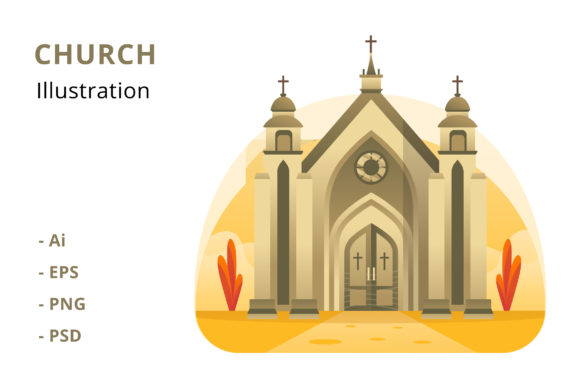
At its core, church illustration is the practice of creating visual representations of biblical narratives, religious concepts, liturgical themes, and spiritual experiences. It spans everything from hand-drawn sketches for a bulletin cover to fully rendered digital paintings for a curriculum. But church illustration is far more than decoration. It is a form of exegesis—an interpretation of scripture through line, color, and composition. Every artist who picks up a brush or stylus makes choices: Which moment in the story matters most? How do you show grace without being sentimental? What does a contemporary crowd look like when following Jesus?
Today, these questions are being asked by a new generation of creators. Entrepreneurs, marketers, bloggers, and educators are rediscovering church illustration as a powerful communication tool. It bridges the gap between academic theology and everyday experience, making faith stories accessible to people who might never step into a seminary. And because visuals travel faster than text on social media, a single compelling illustration can spark conversations that a thousand-word sermon might miss.
Why Church Illustration Matters Now More Than Ever
We live in a visual culture. From Instagram feeds to video thumbnails, people process images in milliseconds. Churches, ministries, and faith-based organizations are realizing that text-heavy materials often go unread, while a well-crafted illustration can stop the scroll and invite reflection. This shift is not a trend—it is a response to how modern audiences learn and engage. Adults aged 20 to 50, particularly professionals and creators, are accustomed to high-quality visuals in every aspect of life. When they encounter a bland clip-art image in a church context, it feels out of touch. Church illustration, when done with skill and intention, meets that expectation without sacrificing substance.
Consider the rise of digital Bible study platforms. Apps like YouVersion and Blue Letter Bible incorporate illustrations to break up text and help visual learners grasp parables or prophecy. Similarly, many churches now use illustrated sermon series graphics—not just as announcements, but as narrative devices that run through an entire teaching season. These are not frivolous additions; they are strategic tools for retention and emotional connection. Neuroscience research confirms that people remember information better when it is paired with a relevant image. Church illustration, therefore, is not merely aesthetic—it is pedagogical.
The Evolution from Sacred Art to Contemporary Illustration
Church illustration has a long heritage. For centuries, illuminated manuscripts, frescoes, and iconography served as the primary visual theologies for largely illiterate congregations. The medium changed—from egg tempera to oil, from woodcuts to lithographs—but the purpose remained: to communicate the sacred. In the twentieth century, church illustration took on a more commercial flavor, with mass-produced Sunday school materials often favoring a cartoonish style that simplified complex stories. While well-intentioned, many of those depictions lacked artistic depth and cultural sensitivity.
Today, illustration is reclaiming its artistic dignity. A growing number of illustrators are blending classical composition techniques with modern digital workflows. They are studying Renaissance masters for narrative clarity while using Procreate or Adobe Fresco for flexibility. The result is a fresh visual vocabulary that respects tradition but speaks to contemporary eyes. For example, an illustrator might render the Beatitudes not as a static scene on a mount, but as a series of vignettes showing everyday moments of mercy, humility, and justice. This approach makes the text feel immediate rather than ancient.
Another significant evolution is the move toward cultural authenticity. Historically, many church illustrations depicted biblical characters with European features, which can feel alienating to global audiences. Today, illustrators intentionally represent diverse ethnicities, historical clothing, and geographical contexts. This shift is not merely political—it is faithful to the biblical setting, which was multicultural and Middle Eastern. For creators and educators, this means illustration can become a tool for inclusive teaching rather than a source of unintended bias.
Practical Implications for Creators, Churches, and Businesses
If you are a creator—whether a freelance illustrator, a graphic designer, or a blogger covering faith topics—understanding the needs of church illustration opens a substantial niche. The demand is not for generic religious clip art, but for thoughtful, original work that can be used across print, web, video, and social media. Churches and parachurch organizations often struggle to find artists who understand both theology and design. That gap is an opportunity.
For example, a children’s ministry might need a series of illustrations that show the Fruit of the Spirit in action—patience depicted as a child waiting calmly, kindness as sharing a snack. A church website might need hero images that convey welcome and reverence simultaneously. A publisher might commission full-page illustrations for a devotional on the Psalms, each image capturing the emotional arc of a particular psalm: lament, trust, praise. These projects require more than artistic skill; they demand empathy for the subject and the audience.
Recommendations for Creating Effective Church Illustration
Start with the text. Before sketching, read the passage carefully. Note the setting, characters, emotions, and theological emphasis. What is the core message? Illustration should distill that message, not overwhelm it. A common mistake is adding too many details that distract from the narrative. Think of illustration as visual commentary—it should illuminate, not complicate.
Second, consider the medium and context. A digital illustration for a phone screen needs different contrast and composition than a printed piece for a church lobby. Test your work at small sizes. Ensure that key elements are visible even when thumbnail-sized. For social media, think about how the illustration will look in a feed alongside photos and text. A consistent visual style builds recognition; consider developing a signature palette or character design language.
Third, collaborate with theologians. If you are not a theology expert yourself, partner with someone who is. They can help you avoid misinterpretations that could confuse or mislead viewers. For instance, illustrating the Trinity requires careful thought—each person of the Trinity has distinct roles and relationships. An illustration that makes the Father look dominating over the Son might unintentionally undermine the doctrine of equality. Collaboration also enriches your own understanding, making your art more layered and meaningful.
How Businesses and Entrepreneurs Can Leverage Church Illustration
For faith-based entrepreneurs, offering illustrated products—such as journals, wall art, greeting cards, or digital downloads—can tap into a market hungry for meaningful design. Many Christians and spiritual seekers want to surround themselves with imagery that reflects their values, but they also want beauty and quality. Generic inspirational posters no longer cut it. Custom church illustration, especially when combined with thoughtful typography, can become a signature product line.
Bloggers and content creators can use illustration to differentiate their writing. A blog post about the Good Samaritan becomes more engaging when accompanied by an original illustration that shows the scene from a fresh angle. Even a small, simple icon can reinforce your brand and make your content more shareable. Consider creating a library of consistent illustrations that you can reuse across articles, social media, and email newsletters.
Navigating Trends Without Losing Depth
Current visual trends lean toward flat design, organic shapes, and muted palettes. These can work beautifully for church illustration, especially when paired with thoughtful composition. But trend-chasing for its own sake can lead to work that feels hollow. The goal is not to look modern for the sake of modernity, but to communicate timeless truths in a language today's audience understands. A good illustration does not need to mimic the latest Instagram aesthetic if it is grounded in authentic storytelling.
Another trend is the use of animation and motion graphics. Animated Bible stories for YouTube or church screens are gaining traction, especially among younger viewers. However, animation requires more time and technical skill. If you are starting out, focus on still illustrations that can later be adapted into simple animated loops—like a character walking or a candle flickering. This extends the life of your artwork and opens new distribution channels.
One observation worth noting: the most impactful church illustrations are often those that leave room for mystery. They do not over-explain or sentimentalize. A depiction of the crucifixion that focuses on raw emotion rather than graphic gore can invite viewers to sit with the weight of the event without being overwhelmed. Similarly, an illustration of the resurrection might use light and open space rather than a literal depiction of the empty tomb. This restraint demonstrates respect for the viewer's intelligence and faith journey.
The Future of Church Illustration: Grounded and Adaptable
We are still in the early stages of a renaissance in faith-based visual art. As more illustrators step into this space, the quality and diversity of work will continue to rise. Churches will increasingly expect illustration that is not only doctrinally sound but also artistically sophisticated. Entrepreneurs will find that authentic, well-crafted imagery builds trust and loyalty among audiences seeking depth.
For the aspiring illustrator, the advice is simple: practice your craft, study scripture, and listen to the needs of your community. For businesses and educators, invest in illustration that resonates with your specific audience rather than relying on generic stock images. The effort pays off in engagement, retention, and connection.
Church illustration is not a relic of the past. It is a living tradition, adapting to every generation’s language and tools. Whether you are sketching on paper, painting on a tablet, or designing for an app, you are participating in a practice that has shaped faith for centuries. And in a world hungry for beauty and meaning, that practice matters more than ever.