When You Have Come to the Edge: Finding Clarity in Moments of Uncertainty
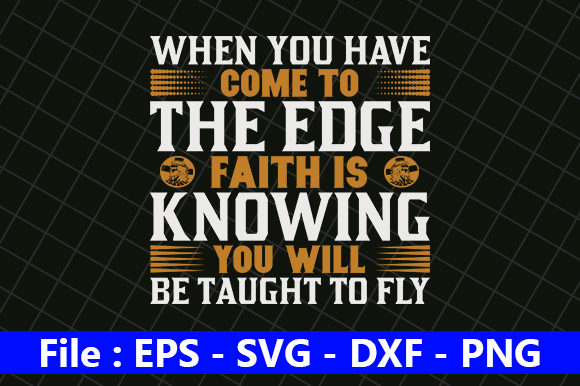
The saying often attributed to Nelle Morton or variations of it—“When you have come to the edge of all the light you know and are about to step off into the darkness of the unknown, faith is knowing one of two things will happen: there will be something solid to stand on, or you will be taught how to fly”—has become a touchstone for anyone facing a major decision, a creative block, or a career crossroads. It resonates because it captures a universal truth: real growth happens when you push past what feels safe.
But there is a wide gap between reading those words and applying them wisely. Many people misinterpret the message, using it to justify impulsiveness, to avoid preparation, or to mistake discomfort for a genuine edge. If you are drawn to this quote, you likely sense that something in your life—your work, your business, a relationship, or a personal project—needs a bold move. The question is how to make that move without falling for common traps that undermine your progress, waste your energy, or cost you more than you expected.
Let’s walk through the misunderstandings that surround this idea, how they go wrong, and what you can do instead to turn that edge into a true launchpad.
Mistaking Discomfort for a Real Edge
The most frequent mistake is confusing ordinary anxiety with the genuine edge described in the quote. Growth always involves some discomfort. Starting a new business, switching careers, launching a creative project, or having a difficult conversation all feel uncomfortable. But not every uncomfortable situation requires a leap of faith.
What goes wrong: People quit their jobs after a bad week, abandon a project mid-draft because doubt creeps in, or cut ties prematurely because a relationship feels strained. They tell themselves they are at the edge, but really they are just in a rough patch. The result is unnecessary disruption, lost momentum, and regret when the situation could have been salvaged with patience or small adjustments.
How to check yourself: Ask whether you have exhausted the options within your current “light.” Have you tried improving the situation through communication, skill-building, or strategy? A real edge is not just uncomfortable—it is a point where the path ahead is genuinely unknown and your current toolkit is insufficient. If you still have viable moves to make within your existing framework, you are not at the edge yet.
Better approach: Keep a journal or log of decisions made under duress. Review them after a week. If the urgency has faded, you likely overreacted. Practice staying with discomfort for a set period—say 30 days—before concluding you have reached a true edge. This patience preserves options and builds resilience.
Confusing Faith with a Lack of Preparation
The quote speaks about faith, but some readers interpret that as permission to skip planning. They believe that if they are meant to fly, the universe will provide. That romantic notion has undone many promising ventures.
What goes wrong: A freelancer quits their stable job without savings, a marketing budget, or a client pipeline, assuming their talent will carry them. A small business owner invests in a new product line without market research, convinced that passion alone will attract customers. When the ground does not appear and they are not taught to fly, they crash—not because they lacked courage, but because they confused faith with foolishness.
How to check yourself: Faith in this context is not about ignoring reality. It is about moving forward despite incomplete information while still using the information you have. Before you leap, ask: What resources, skills, and relationships do I already possess that can soften the landing? What is the most practical next step that I can take today, even if it feels small?
Better approach: Treat the leap like a scientific experiment. Define your hypothesis (what outcome you expect), your minimum viable preparation (savings, safety net, contingency plan), and a timeline to adjust course. Faith is what allows you to launch the experiment; preparation is what lets you survive the results. Both are required.
Overlooking the “Taught How to Fly” Option
Many people focus exclusively on the idea that solid ground will appear. They want certainty, a clear sign, a guaranteed outcome. But the second possibility—that you will learn how to fly—is just as valuable, and arguably more transformative. It is also where most of the growth happens.
What goes wrong: By fixating on a specific outcome, you may miss the real opportunity. For example, an entrepreneur launches a product hoping for instant sales. When sales are slow, they consider the venture a failure instead of realizing they are being taught to refine their marketing, pivot their offer, or understand their audience better. They close shop before the learning can compound.
How to check yourself: Are you attached to a particular result, or are you open to the process of learning? If you cannot tolerate uncertainty about the specific outcome, you may not be ready for the edge. The quote asks you to trust that either you will find what you need, or you will develop new abilities. That requires flexibility, not rigidity.
Better approach: Reframe your definition of success to include learning. Write down what you hope to gain in terms of skills, insights, or connections, separate from financial or external results. Evaluate your progress against that list. Many breakthroughs come from the “taught to fly” path—the new skill, network, or perspective you never anticipated.
Leaping Alone When You Could Bring Allies
The quote has a solitary feel: you come to the edge, you step off, you are taught to fly. But in practice, almost no meaningful leap is accomplished entirely alone. Yet people interpret the quote as permission to isolate themselves, believing that asking for help undermines their courage or faith.
What goes wrong: A creative professional leaves a stable job to start a studio but never consults mentors, peers, or potential clients. A blogger launches a site without joining a community or seeking feedback. They struggle silently, burning out or giving up, unaware that a single conversation could have saved months of effort.
How to check yourself: Who already has knowledge or experience related to the edge you are facing? Have you spoken to them? If you are keeping your plans secret out of fear of judgment or a desire to do it yourself, you are likely compounding risk unnecessarily.
Better approach: Identify three people you trust who have navigated similar transitions. Share your plan, including your fears. Ask them what they would do differently. You do not have to follow their advice, but hearing their perspective can reveal blind spots. The most courageous people I know are not lone wolves; they are the ones who know when to reach out.
Ignoring the Underlying Context of Your Edge
Context matters enormously. The quote is not a one-size-fits-all prescription. The edge for someone deciding whether to leave a toxic job is different from the edge for someone deciding whether to invest their life savings in a startup. The emotional stakes, financial consequences, and timeline all differ.
What goes wrong: People apply the same level of risk tolerance to every big decision. They treat a career change the same way they treat a creative side project. This leads to either reckless overcommitment (applying too much faith to a small edge) or paralyzing caution (treating a meaningful edge as too risky).
How to check yourself: Before acting, clarify the stakes. What do you stand to lose if the landing is not solid? What do you stand to lose if you walk away? Not all edges are equal. Some deserve a measured, careful step; others genuinely require a leap. Distinguishing between them is a skill.
Better approach: Create a simple grid. On one axis, place the potential upside (growth, income, fulfillment). On the other, place the potential downside (financial loss, time cost, emotional toll). If the downside is catastrophic and recovery would be very difficult, that edge demands more safety nets and smaller test steps. If the downside is manageable and the upside is large, you may be safe to leap with less preparation. Evaluate each edge on its own terms.
Forgetting That the Edge Is a Process, Not a Single Moment
The quote describes a single dramatic moment of stepping off. That is emotionally powerful, but it can mislead people into believing that transformation happens in one grand gesture. In reality, coming to the edge is often a slow accumulation of smaller decisions, quiet realizations, and incremental risks.
What goes wrong: Someone waits for the perfect moment to make a dramatic change, believing they need to hit a crisis point before they can act. They stay stuck for months or years, waiting for the “edge” to arrive, when they could have made a dozen small moves that would have brought them to the same place with less trauma.
How to check yourself: Are you waiting for a single breakthrough that will change everything? If so, you may be ignoring the micro-edges you could step off today—sending the email, scheduling the call, learning the skill, testing the idea.
Better approach: Reframe the edge as a series of thresholds. Each day, ask yourself: What is one small step I can take that moves me closer to the unknown? Over time, these small leaps compound. You may find that you never need a single dramatic fall or flight—you simply arrive on the other side, having learned to fly one wingbeat at a time.
What to Check Before You Take the Leap
Before you act on the inspiration this quote gives you, take a few minutes to run through this checklist. It will help you distinguish between a wise risk and a costly mistake.
- Have I exhausted reasonable options within my current situation? If not, stay put and iterate.
- Do I have a basic safety net? Savings, a support network, a fallback plan. Even a minimal one reduces panic.
- Am I open to learning, or am I attached to a specific outcome? Flexibility is your best asset.
- Have I talked to someone who has been where I want to go? Their experience is free tuition.
- Is this a genuine edge, or just a rough patch? Give yourself a cooling-off period before deciding.
- What is the smallest version of this leap I can take? Test the waters before diving.
The Real Gift of the Edge
The When You Have Come to the Edge quote endures because it names something real: the moment between the known and the unknown is uncomfortable, but it is also fertile ground for growth. The people who use it wisely are not those who leap blindly. They are the ones who respect the edge enough to prepare for it, who ask for help when they need it, who learn from the fall, and who keep moving even when flying feels awkward.
The goal is not to avoid the edge. It is to approach it with eyes open, feet ready, and heart willing to learn—whether you land on solid ground or discover wings you did not know you had.