The Religious Cross Monogram: Faith in Design
You have likely seen them on letterheads, engraved on wedding rings, stitched onto vestments, or watermarked on a pastor's website. The religious cross monogram is a design convention that combines a cross—often the Christian cross—with intertwined letters, typically initials, to create a single cohesive mark. It is not a logo in the commercial sense, nor is it purely decorative. It sits at the intersection of personal identity, communal faith, and visual communication. For anyone involved in ministry, faith-based entrepreneurship, religious education, or creative work with spiritual themes, understanding what a religious cross monogram is and how to use it well can elevate everything from a business card to a cathedral's cornerstone.
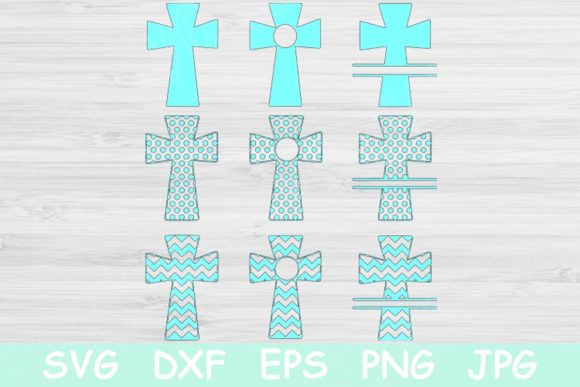
At its core, a religious cross monogram merges two visual languages: the symbolic weight of the cross and the functional clarity of a monogram. The cross provides immediate context—faith, sacrifice, hope—while the monogram personalizes that context, anchoring it to a person, a family, a ministry, or an organization. This combination creates a mark that is both universal and specific, which is why it has persisted for centuries in ecclesiastical heraldry, liturgical art, and modern branding for faith-driven ventures.
What Makes a Religious Cross Monogram Distinct
Unlike a generic logo or a standalone cross icon, a religious cross monogram intentionally weaves letters into the cross structure or positions the cross as a central element around which initials are arranged. The letters are almost always derived from a name—an individual's, a couple's, a church's, or a ministry's. This gives the monogram a sense of ownership and continuity. It is not a stock image; it is a signature.
Key characteristics include:
- Letter and symbol integration: The cross is not an afterthought. It is structurally or visually connected to the letters, often forming part of the letter itself—for example, the vertical stroke of a capital "I" becoming the upright of the cross.
- Timeless aesthetic: Most effective religious cross monograms draw on classic typography and restrained ornamentation. They avoid trendy design flourishes that would date the mark or distract from its sacred associations.
- Legibility at scale: A well-designed monogram works whether it is embroidered small on a stole or carved large into stone. The cross and the letters remain distinguishable, and the overall shape holds together.
- Denominational or theological nuance: Some designs incorporate additional elements—a small crown for Christ's kingship, a circle for eternity, or specific cross shapes like the Celtic cross or the Jerusalem cross—that carry deeper meaning for particular traditions.
The strength of a religious cross monogram lies in its efficiency. It communicates faith affiliation and personal identity in a single glance. That is valuable in contexts where trust and recognition matter, from a church staff directory to a faith-based nonprofit's fundraising letter.
Where the Religious Cross Monogram Adds Real Value
The practical applications of a religious cross monogram extend far beyond the sanctuary. In fact, its usefulness scales across personal, professional, educational, creative, digital, and commercial environments. Here is a breakdown of how different audiences can put it to work.
Personal and Family Use
For individuals and families, a religious cross monogram serves as a visual anchor for faith-based identity. It can be used on:
- Wedding invitations and programs, especially for ceremonies that emphasize the couple's shared faith
- Baptismal or christening announcements and keepsakes
- Personal stationery, return address labels, and thank-you notes
- Engraved jewelry such as signet rings, pendants, or cufflinks
- Custom Bibles or family Bibles with embossed covers
- Home decor items like wall art, doormats, or embroidered linens
A parent, for example, might commission a monogram combining a cross with the initials of each family member, then use it on a personalized family Bible or a set of holiday cards. The monogram becomes a subtle profession of faith that also reinforces family unity.
Professional and Ministry Applications
For pastors, missionaries, faith-based coaches, and religious educators, a religious cross monogram functions as a professional mark that signals both competence and conviction. It works well on:
- Business cards and email signatures
- Church bulletins and newsletters
- Website headers and social media avatars
- Book covers and sermon series branding
- Name badges for conferences and retreats
- Official documents and letterhead
Consider a chaplain who serves a hospital or university. A religious cross monogram on his or her correspondence instantly identifies the sender's role and spiritual orientation, without requiring a lengthy title or explanation. It builds recognition and trust among colleagues and those served.
Church planters and small ministry leaders particularly benefit. A well-designed monogram can serve as the entire visual identity system for a new congregation, especially in the early stages when budget and time are limited. It is one mark that can go on everything from a sign to a mobile app icon, providing consistency and professionalism from day one.
Educational and Institutional Settings
Religious schools, seminaries, and formation programs often adopt a religious cross monogram as part of their official seal or logo. In these contexts, the monogram conveys tradition, academic seriousness, and the institution's mission. Applications include:
- Diplomas and certificates
- School uniforms and athletic gear
- Building signage and cornerstone plaques
- Fundraising materials and alumni communications
- Library bookplates and archival labels
A seminary, for instance, might use a monogram combining the school's initials with a cross and a torch representing knowledge. That single mark communicates that the institution is both academically rigorous and firmly grounded in faith. For prospective students and donors alike, that visual shorthand is powerful.
Creative and Commercial Ventures
Entrepreneurs, designers, and small business owners who operate in faith-adjacent markets also find practical value in a religious cross monogram. Examples include:
- Faith-based publishing imprints and blog brands
- Online shops selling religious goods, art, or apparel
- Wedding and event planners who specialize in religious ceremonies
- Calligraphers, engravers, and sign makers who offer custom monogramming services
- Music ministries and recording labels producing liturgical or worship music
A graphic designer who creates wedding suites for Christian couples might use a religious cross monogram as her own branding mark, immediately communicating her specialty to potential clients. A publisher of devotional materials could use a monogram on all spine labels and title pages, creating instant shelf recognition in bookstores.
Practical Benefits: Beyond the Symbolic
While the religious cross monogram carries deep meaning, it also provides concrete benefits in usability, communication, and branding.
Efficiency in visual identity. A monogram is compact. It requires less space than a full logo and works in tight places—favicons, hashtag stickers, stamp pads, embroidery hoops. You can reproduce it in one color without losing legibility, which saves on printing and production costs.
Memorability and recognition. People remember simple, distinctive marks better than complex illustrations. A monogram with a cross is both simple and distinctive. Over time, it becomes associated with the person or organization it represents, building brand equity in a way that generic clip art cannot.
Versatility across media. A well-designed religious cross monogram translates effectively to digital and physical formats. It looks as good on a retina display as it does on a woodburned sign. It can be animated for video intros, embossed for print, or stamped in gold foil for premium pieces.
Communication of values. In a crowded marketplace of ideas and services, the cross instantly communicates that the user's work is informed by faith. That attracts like-minded audiences and partners while making the user's position clear. For a faith-based counselor or a Christian bookstore, that clarity reduces friction in the client relationship.
Observations and Recommendations from Practice
Having worked with and observed the use of religious cross monograms across dozens of contexts, I can offer a few grounded recommendations.
Invest in professional design. A DIY monogram may save money in the short term, but it often results in a mark that is unbalanced, illegible at small sizes, or awkward in its integration of cross and letters. Hire a designer who understands typography and heraldry, or use a reputable monogramming service that specializes in religious symbols. The cost is modest compared to the long-term benefit of a mark you will use for years or decades.
Test at extreme sizes. Before finalizing a monogram, view it at the smallest size you will use—typically a website favicon or an email signature image—and at the largest size you will use, such as a banner or a building sign. If the cross disappears or the letters blur, the design needs simplification.
Consider color constraints. Your monogram should work in a single color, ideally black or white, before you add color. This ensures it will function on one-color print runs, embossing, engraving, and screen printing. Color can enhance it, but should never be essential to its readability.
Think about longevity. A religious cross monogram is often a mark people keep for a lifetime, or that institutions keep for generations. Avoid incorporating specific dates, locations, or initials of a single leader unless you are certain those elements will remain relevant. If you are designing for a church, use the church's name rather than the current pastor's initials.
Respect the symbol's weight. The cross is not a decorative flourish; it is the central symbol of Christianity for most traditions. Use it thoughtfully. Avoid overly ornate or frivolous treatments that might be perceived as disrespectful. A monogram that treats the cross as a design gimmick rather than an integral element will fail both aesthetically and spiritually.
Align with your audience's expectations. Different Christian traditions have different visual vocabularies. A plain Latin cross may suit a broad evangelical context, while a Celtic cross might resonate with a high-church or Anglican audience. Research the conventions of your particular community and choose a design that speaks their visual language.
A Final Perspective
The religious cross monogram is not a trend. It is a tradition that has been reinvented by each generation for its own tools and media—from stone carving to goldsmithing to digital screens. What makes it endure is not its aesthetic versatility alone, but its ability to hold together two things that matter deeply: personal identity and transcendent faith. In a world saturated with disposable branding, that combination is rare and valuable.
Whether you are a pastor building a church identity, a designer serving faith-based clients, an entrepreneur launching a line of religious goods, or a parent creating a family heirloom, the religious cross monogram offers a practical, meaningful, and durable solution. Take the time to get it right, and it will serve you well.